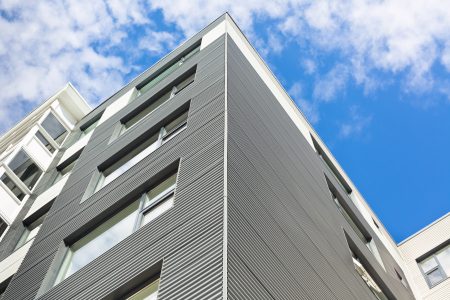
Architectural cladding plays a crucial role in building design, offering both practical and visual benefits. Fundamentally, it involves layering one material over another to form a protective or decorative surface on the exterior of a structure. This exterior layer, referred to as ‘cladding,’ fulfills several functions and can be made from a variety of materials, each chosen for their specific characteristics suited to different uses, environmental conditions, and architectural styles.
Common Types of Cladding Materials
Wood Cladding: Renowned for its natural beauty and adaptability, wood cladding is commonly used in various forms, including planks, panels, and shingles.
Stone Cladding: Stone cladding, valued for its durability and striking appearance, is frequently chosen for its classic elegance and upscale aesthetic.
Brick Cladding: Brick is a timeless cladding choice appreciated for its strength, minimal maintenance needs, and enduring visual appeal.
Metal Cladding: This kind of cladding includes materials such as steel, aluminum, and copper. Metal cladding is recognized for its contemporary appearance, strength, and versatility in being shaped into a variety of forms.
Vinyl Cladding: Known for being a cost-effective, low-maintenance option available in a diverse array of colors and styles.
Glass Cladding: Commonly featured in modern and contemporary architecture, glass enhances natural light flow and delivers a sleek, stylish appearance.
Composite Cladding: These are composed of blended materials, typically engineered to replicate the look of options like wood or stone, while providing enhanced performance features.
Castle Architectural Metals has a wealth of experience with different cladding materials. For more information about cladding, contact us at (516) 842-7650 or email [email protected].