
In metal fabrication, laser cutting and routing are two commonly used processes that help create precise components for various applications. Even though both methods are used to shape materials, they operate differently and offer their own unique perks depending on what metal project you’re completing.
Laser Cutting
Laser cutting uses a highly focused beam of light to melt or vaporize metal along a programmed path. This method produces smooth, clean edges, has a quick production turnaround, and is extremely precise. It is ideal for intricate and detailed designs and is commonly used for:
- Decorative metal screens
- Architectural panels
- Signage and lettering
- Sheet metal fabrication
Laser cutting has the ability to work with a variety of metals, including stainless steel, brass, and aluminum. For many manufacturers, it remains a top choice since it can produce high-quality parts with precision and speed.
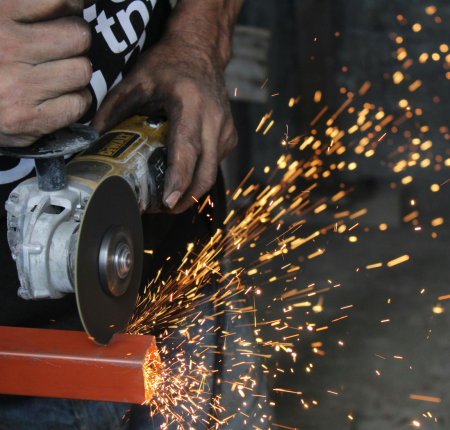
Routing
Routing uses a spinning, cutting tool that is similar to a drill that physically carves through material to create particular designs and patterns. Routing tools are built to cut through thick metals like aluminum and can create beveled edges and three-dimensional features. This method is commonly used to assemble:
- Clean edge finishing
- Geometric cuts
- Engraving
- Prototyping
At Castle Architectural Metals, our team of metal fabrication experts utilizes state-of-the-art machinery, including the MultiCam 5000 Series CNC Router, to customize metals to your exact preferences. By understanding the strengths of each method, they can select the most efficient one for your particular project to achieve high-quality results. Contact us today at (516) 842-7650 or i[email protected].